


HDD Drill Bit and Reamer Selection for Different Ground Conditions
In horizontal directional drilling (HDD), the selection of drill bits and reamers should be based on the specific geological conditions, including soil composition, rock strength, abrasiveness, groundwater conditions, and hole stability.
The general principle is:
-
Clay: Focus on efficient cutting, mud circulation, and prevention of clay balling.
-
Sand and gravel: Focus on hole stability, efficient cuttings removal, and reducing the risk of stuck tooling.
-
Cobble formations: Focus on impact resistance, cutting/crushing capability, and maintaining stable mud circulation.
-
Rock: Focus on effective rock breaking, high wear resistance, and matching the tooling to the drilling rig's torque and pullback capacity.
1. Drill Bit and Reamer Selection by Ground Condition
| Ground Condition | Typical Characteristics | Recommended Drill Bit | Recommended Reamer | Key Mud & Operating Considerations |
|---|---|---|---|---|
| Soft / Hard Clay | High plasticity, sticky, prone to clay balling and hole shrinkage | Blade-type / paddle-type pilot bit | Cutting-type, wing-type, or fluid-flow reamer | Maintain appropriate mud viscosity and flow rate to prevent clay balling and improve cuttings removal |
| Sand / Sandy Soil | Loose formation, relatively poor hole stability, difficult cuttings control | Paddle-type or claw-type pilot bit | Fluid-flow or wing-type reamer | Use an appropriate bentonite system to improve hole stability and cuttings suspension |
| Sand & Cobble Formation | Loose structure, large particles, risk of collapse and stuck tooling | Reinforced claw-type or cutting-type pilot bit | Fluid-flow, blade-type, or barrel-type reamer | Maintain good mud circulation and hole stability; avoid excessive drilling speed and reduce the risk of cobbles becoming trapped around the tooling |
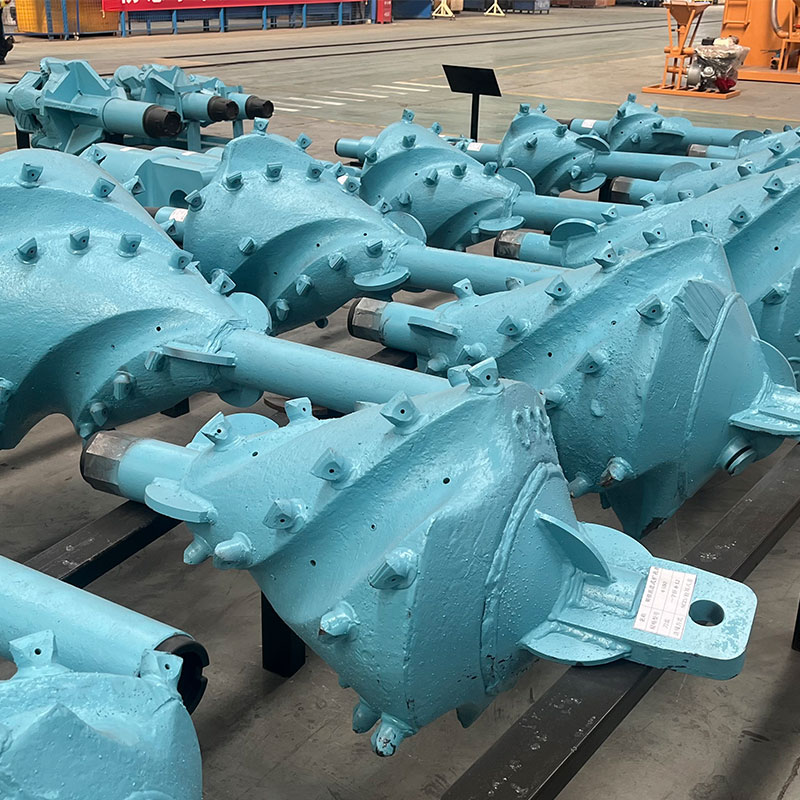
| Soft Rock | Higher compressive strength and increasing abrasiveness | Mud motor + tricone bit | Roller-cone or rock reamer | Control rotational speed and thrust; monitor cutter and tooth wear |
| Hard Rock | High compressive strength and high abrasiveness; difficult rock breaking | Mud motor + tricone bit or specialized rock drilling assembly | Heavy-duty roller-cone / rock reamer | Use low rotational speed with sufficient torque and thrust; ensure adequate mud flow for cooling and cuttings removal |
2. Detailed Selection Guide
A. Clay Formation
Main challenges:
-
High clay plasticity and stickiness
-
Clay balling around the drill bit or reamer
-
Reduced mud circulation and cuttings removal
-
Possible hole shrinkage
Pilot drilling:
A paddle-type or cutting-type pilot bit is commonly used in clay because it provides efficient cutting and good steering performance.
Reaming:
Depending on the clay characteristics and hole diameter, cutting-type, wing-type, or fluid-flow reamers can be selected.
The reamer should provide sufficient cutting and fluid-flow capacity to prevent excessive clay accumulation.
Key operating considerations:
-
Maintain sufficient mud flow.
-
Use a mud system with appropriate viscosity and lubricity.
-
Avoid excessive penetration rates that may cause clay balling.
-
Monitor torque and pressure for signs of increased formation resistance.
B. Sand and Cobble Formation
Main challenges:
-
Loose and unstable formation
-
Hole collapse
-
Large cobbles or gravel causing stuck tooling
-
Difficulty maintaining effective cuttings removal
Pilot drilling:
A reinforced claw-type or cutting-type pilot bit can be used depending on cobble size and formation density.
For formations containing larger cobbles, the drill bit should have sufficient impact resistance and wear resistance.
Reaming:
Depending on the formation, fluid-flow, blade-type, or barrel-type reamers can be considered.
A barrel-type reamer can provide good stabilization and hole conditioning, while the cutting structure should provide sufficient capability to handle gravel and cobbles.
Key operating considerations:
-
Maintain adequate mud circulation.
-
Use an appropriate bentonite system to improve borehole stability.
-
Consider filtration-control and viscosity requirements according to the formation.
-
Avoid excessive rotation or penetration rates.
-
Monitor torque, pullback force, mud pressure, and return flow continuously.
C. Rock Formation
Main challenges:
-
High compressive strength
-
High abrasiveness
-
Rapid cutter and tooth wear
-
High torque and pullback requirements
-
Increased risk of stuck tooling or drill pipe overload
Pilot drilling:
For rock formations, a typical configuration is:
Mud Motor + Tricone Bit
The mud motor provides downhole rotational power, while the tricone bit breaks the rock through rolling and crushing action.
Depending on the formation and project requirements, specialized rock drilling assemblies may also be used.
Reaming:
For rock reaming, roller-cone or heavy-duty rock reamers are commonly selected.
The roller cones break the formation through rolling and crushing rather than relying only on scraping or cutting.
Key operating considerations:
-
Use appropriate rotational speed and thrust.
-
Avoid excessive penetration rates.
-
Ensure sufficient mud flow for cooling and cuttings removal.
-
Monitor torque, pressure, pullback force, and vibration.
-
Select the reamer according to rock strength, abrasiveness, hole diameter, and rig capacity.
3. Common Problems and Recommended Responses
Q1: What should be done if the reamer suddenly becomes stuck in a sand-and-cobble formation?
Possible causes include:
-
Local borehole collapse
-
Cobble accumulation around the reamer
-
Insufficient mud circulation
-
Excessive penetration or pullback force
-
Poor hole cleaning
Recommended response:
-
Do not apply excessive pullback force immediately. Excessive force may overload or damage the drill pipe and tooling.
-
Increase mud circulation if the drilling system allows.
-
Reduce rotation speed and penetration/pullback speed.
-
If necessary, apply controlled forward movement to release the obstruction.
-
Continue circulating drilling fluid to improve hole cleaning.
-
Resume pullback gradually after torque and pullback resistance return to normal.
The exact procedure should be adjusted according to the drilling rig, tooling, formation, and site conditions.
Q2: How should the final reamer diameter be determined?
There is no single universal formula for all HDD projects. The required reamed-hole diameter depends on:
-
Product pipe outside diameter
-
Pipe material and stiffness
-
Installation length
-
Ground conditions
-
Borehole stability
-
Pullback force
-
Mud properties
-
Final reamer configuration
As a general starting point, the final hole is normally designed to provide sufficient clearance around the product pipe.
For example:
-
Small-diameter installations: The reamed hole may typically be around 1.2–1.5 times the pipe outside diameter, depending on the ground conditions and installation requirements.
-
Larger-diameter installations: Additional clearance is generally required, with the actual value determined by pipe diameter, ground conditions, installation length, and pullback requirements.
-
Rock or highly plastic clay: Additional allowance may be required to compensate for borehole shrinkage or irregular hole geometry.
The final reaming diameter should therefore be determined based on the specific project conditions rather than a fixed formula.
4. Practical Selection Principle
A practical HDD tooling selection process can be summarized as:
Ground Investigation → Pilot Bit Selection → Reamer Selection → Mud System → Drilling Parameters → Monitoring & Adjustment
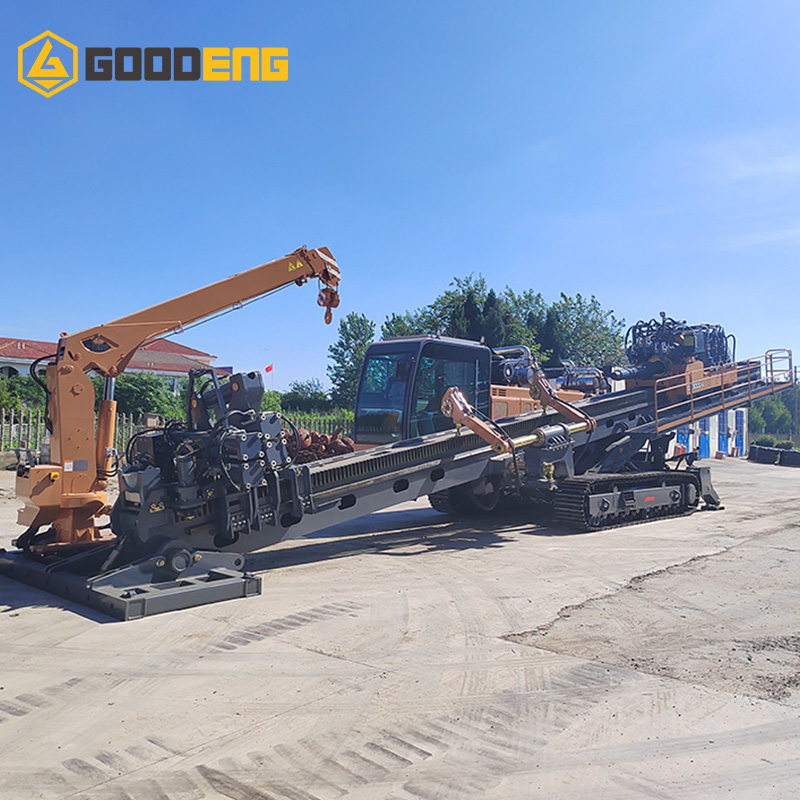
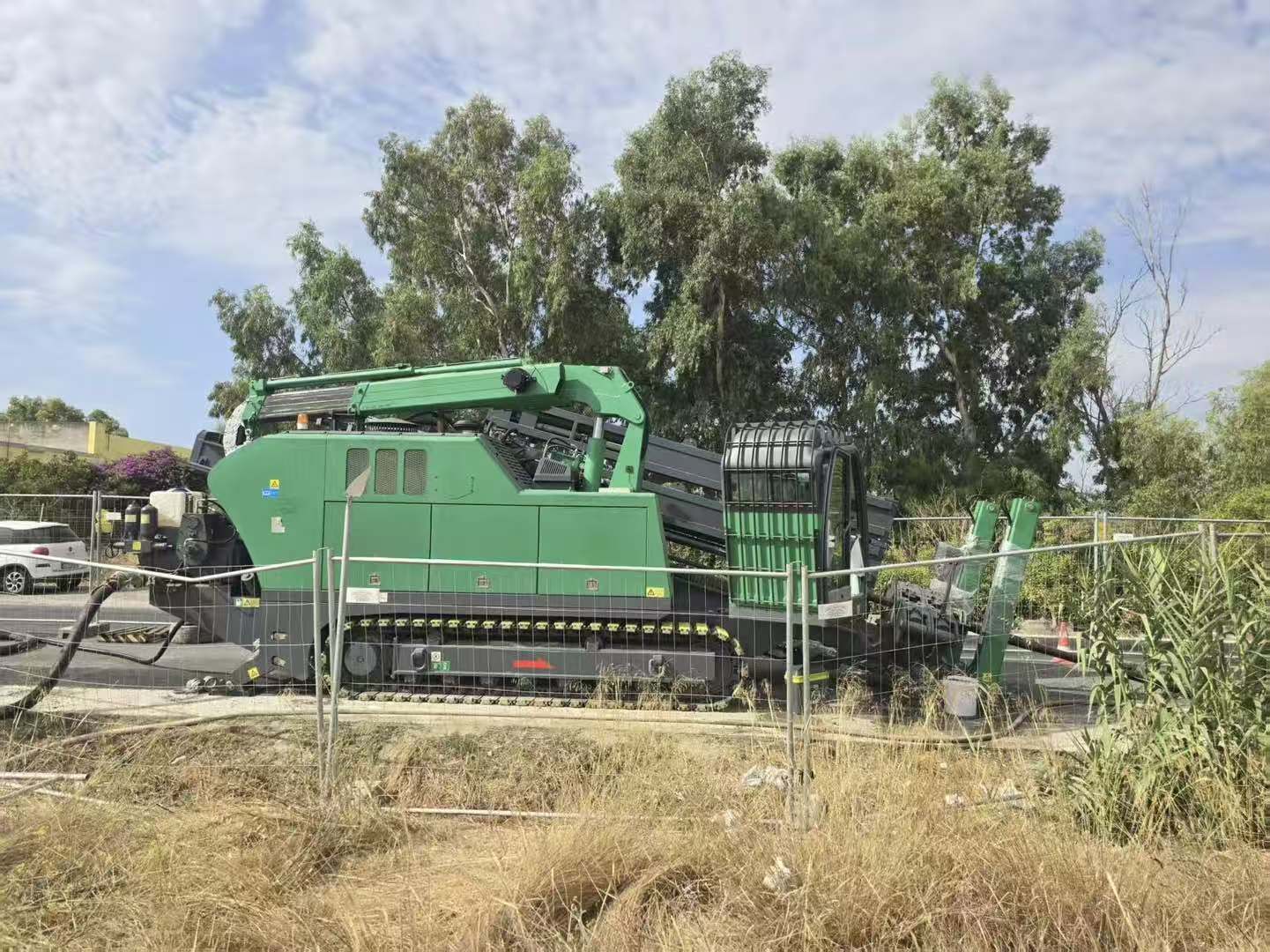
The drill bit and reamer should always be selected as a complete system together with the HDD rig, mud system, drill pipe, and product pipe.
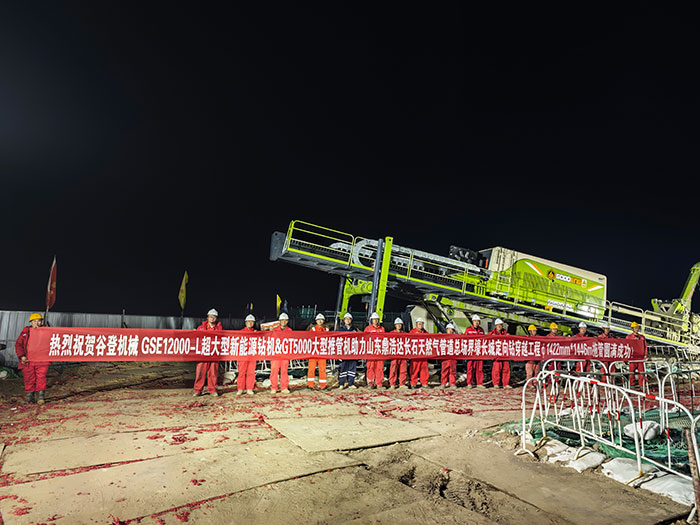
For difficult formations such as large cobbles, fractured rock, highly abrasive rock, or highly plastic clay, a detailed geological assessment and project-specific tooling selection are recommended.